Home Additions in Asheville: How to Plan for Layout, Light, and Flow
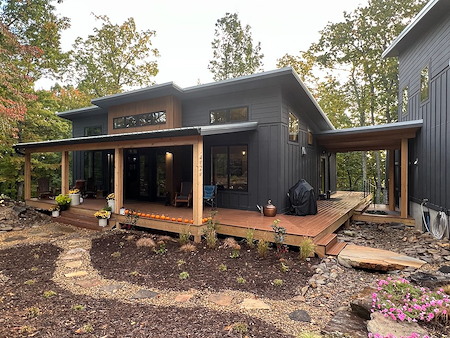
Adding space should feel like you gained a better home, not just a bigger one. Whether you’re in West Asheville, Montford, Biltmore Forest, or Haw Creek, smart planning for layout, natural light, and everyday flow will make your new rooms feel effortless. If you want a space that looks and lives like it’s always been there, start with a thoughtful plan and a team that designs and builds home additions with the Asheville lifestyle in mind.
What Makes a Great Home Addition in Asheville
Great additions solve a clear problem and fit the site. Maybe your family room is cramped, the kitchen can’t host friends, or you need a primary suite away from the evening noise. Asheville lots can be sloped, wooded, and view-rich, so placement, windows, and connections between old and new matter as much as square footage. Start with how you live today, not just square footage. That clarity guides every decision that follows.
As you begin, write down the moments you want to improve. Do mornings feel rushed in a tight kitchen? Do guests bottleneck at the back door? Are you missing a quiet workspace? Those patterns point to the right type of addition and the best location on your lot.
- Prioritize rooms you use daily over occasional spaces.
- Protect the best views and daylight angles for the rooms you’re in most.
- Keep storage, laundry, and mudroom access close to where messes start.
Design the Layout: Rooms, Zones, and Right-Sized Spaces
Layout is the backbone of a successful addition. Start by mapping how the new rooms connect to existing ones. Kitchens want direct routes to entry points and outdoor dining. Bedrooms need quiet separation. A family room should offer a natural path to the kitchen without cutting in front of seating or a fireplace. In many Asheville homes, the best move is a side or rear addition that extends the main level and creates a stronger indoor-outdoor link.
Think in zones: public (living, dining), semi-public (kitchen, mudroom), and private (bedrooms, office). Hallways shrink when zones are aligned, and your daily steps go down. If you’re adding a second story, align bathrooms above existing plumbing walls when possible to simplify the work and reduce disruptions. When the plan is right, furniture places itself, and traffic lines fade into the background.
Right-sizing keeps rooms cozy and efficient. A huge room can feel empty and loud. A carefully scaled space feels warm, easy to furnish, and less costly to heat and cool over time. Target clear wall space for furniture, avoid pinched corners, and leave room for door swings or pocket doors where they help.
Let the Light In: Windows, Orientation, and Glare Control
Daylight turns new square footage into a favorite place to be. In Asheville, morning light from the east is gentle and great for kitchens or breakfast nooks. South light is steady and warm in winter when you want it most. West light can bring afternoon heat and glare, and north light is even and calm, perfect for an office or studio. Your addition should borrow the best light the site offers and filter the rest with overhangs, shade trees, or properly placed window treatments.
Window strategy matters. Mix views and privacy with a combination of picture windows, operable casements for ventilation, and clerestory windows to pull light deeper into the room. On sloped lots in Kenilworth or North Asheville, consider a slightly raised sill for privacy from the street while keeping treetops and sky in frame. Avoid long, dark hallways by letting circulation borrow light from adjacent rooms through interior windows, open stair rails, or a transom over a doorway.
- Place a glass where it frames something worth seeing: mountains, canopy, or garden.
- Balance big windows with wall space for art, storage, or a TV.
Make the Flow Effortless: Circulation That Disappears
Flow is how people move through your home without thinking about it. Aim for short, obvious paths that don’t clip corners or cut through seating zones. Doors should open to natural pauses, not into the middle of a room. In a main-level addition, a widened casing opening or a short gallery can create a gracious transition from old to new. If you add a mudroom near the driveway, include hooks and a bench right where shoes come off so dirt doesn’t trail inside.
Stairs deserve special attention. If you’re building up, place the stairs where they feel central but not intrusive. Landings lined with windows can turn a circulation zone into a bright, uplifting moment. Try to keep bathrooms and closets tucked along circulation paths so every foot of floor space feels intentional.
Connect Old and New: Rooflines, Materials, and Details
Seamless is the goal. Roof pitch, eave depth, siding scale, trim profiles, and window proportions should relate to the original home. Craftsman bungalows in Montford and Five Points often want deeper eaves and grouped windows. Mid-century homes may take larger panes and simplified trim. Inside, repeat a few details, such as flooring species, door style, or paint sheen, so the new spaces blend without copying every inch.
Floor levels must align cleanly. If the existing home has settled a bit, a skillful remodeler will make subtle transitions that feel safe and natural. Keep mechanics in mind, too. Duct runs, plumbing chases, and electrical routes should be planned early so ceilings stay high and storage stays usable.
Mountain weather changes fast, and schedules can shift with it. Build a small buffer into your timeline for rainy weeks and add covered transitions, like a porch or breezeway, so you stay dry between the driveway and the new entry.
Place the Addition on Your Lot: Slopes, Trees, and Views
Asheville’s terrain is part of the charm, and it affects where an addition belongs. On a sloped lot, a step-down family room can follow the grade and gain volume without a tall exterior wall looming over the yard. If you have a prized oak or a neighbor’s window nearby, shift the footprint to protect roots and privacy. Corner lots in Oakley or Haw Creek may need extra care with entries so guests know exactly where to go.
Outdoor connections add daily value. A deck, screened porch, or patio right outside the new living space turns the mountains into your backdrop. Position doors to feel like an invitation, not an afterthought, and size them to the furniture you’ll actually move through them. Thoughtful exterior lighting guides evening guests without glare.
Plan for Comfort: Seasons, Sound, and Storage
Year-round comfort doesn’t happen by accident. Good insulation, tight air sealing, and well-planned HVAC keep your addition cozy in winter and comfortable in July humidity. If your new space sits near a busy street, use construction that reduces sound transmission and choose window glass that quiets traffic noise. Add storage where clutter starts: a pantry near the kitchen, a linen closet near the bath, and built-ins that fit the room rather than floating store-bought pieces.
Think about daily rhythms. Where do backpacks land after school? Where does the dog sleep? Where do instruments or hobbies live so they’re easy to grab yet out of the way? When storage lines up with life, your home stays calm even on hectic days.
Sequence Decisions to Reduce Stress
Good process equals good results. Start with a clear scope, then confirm the layout and exterior massing before diving into finishes. Early choices on windows, doors, and mechanicals keep lead times from slowing you down. Make a short list of must-haves and nice-to-haves so you can adjust without losing the big idea if something changes.
Working with an experienced local team means fewer surprises. They’ll coordinate trades, keep the site tidy, and protect landscaping as work progresses. Expect regular check-ins, so you always know what’s next and who’s on site. When everyone sees the same plan, the build moves smoothly, and your routine stays intact.
How Hawk Design Build Designs Additions That Fit Your Life
Our team listens first, sketches options, and shows you how each choice affects light and flow. We walk your lot to understand slopes, drainage, trees, and the views you love, then tailor the layout so everyday tasks feel easier.
Ready to turn ideas into a plan? We map your current circulation, mark the dark spots that need daylight, and test furniture layouts before a wall moves. Then we align rooflines and materials so the addition looks like it belongs. When it’s time to build, one integrated team keeps momentum and communication steady from first sketch to final walkthrough.
Local Examples of Layout, Light, and Flow in Action
In West Asheville, a modest rear addition can transform a small bungalow by creating a kitchen that opens to a bright dining nook and a covered porch. The path from entry to kitchen becomes shorter and clearer, and morning light turns breakfast into the best moment of the day. In North Asheville, expanding above a garage can add a quiet suite and a homework loft, all without stealing yard space.
If your home faces a quiet street but the backyard has the view, place most glass toward the rear and keep side windows higher for privacy. In leafy neighborhoods, skylights or clerestory windows bring in sky without losing wall space. Add a small drop zone near the most-used door so coats, boots, and groceries have a home the minute they arrive.
Your Next Step
When you’re ready to explore possibilities, start a conversation with a designer who understands how to pair mountain light with practical layouts. If you prefer to begin at the company level, see how our approach to remodeling in Asheville shapes every project, from first meeting to final handoff.
Let’s create an addition that feels like it was always part of your home, with light, flow, and comfort built in. To talk through goals and timelines, call 828-230-9759 and connect with Hawk Design Build. We’re ready when you are.